How does a cell phone signal booster work in my vehicle?
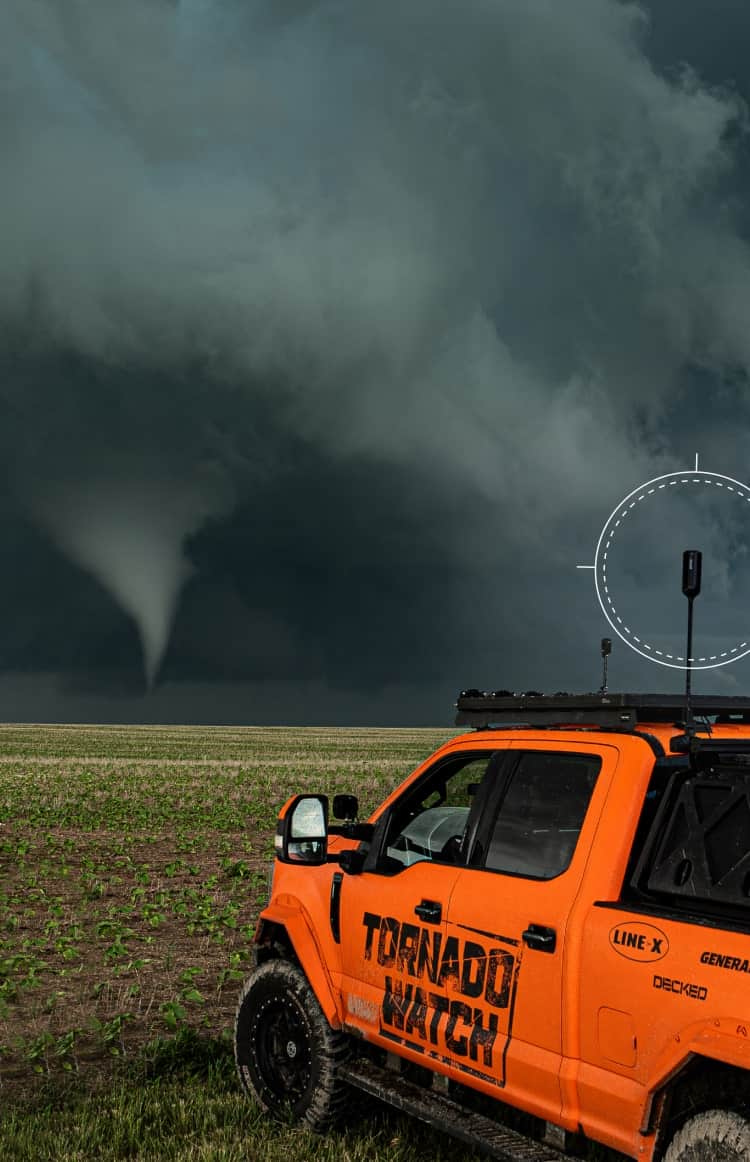
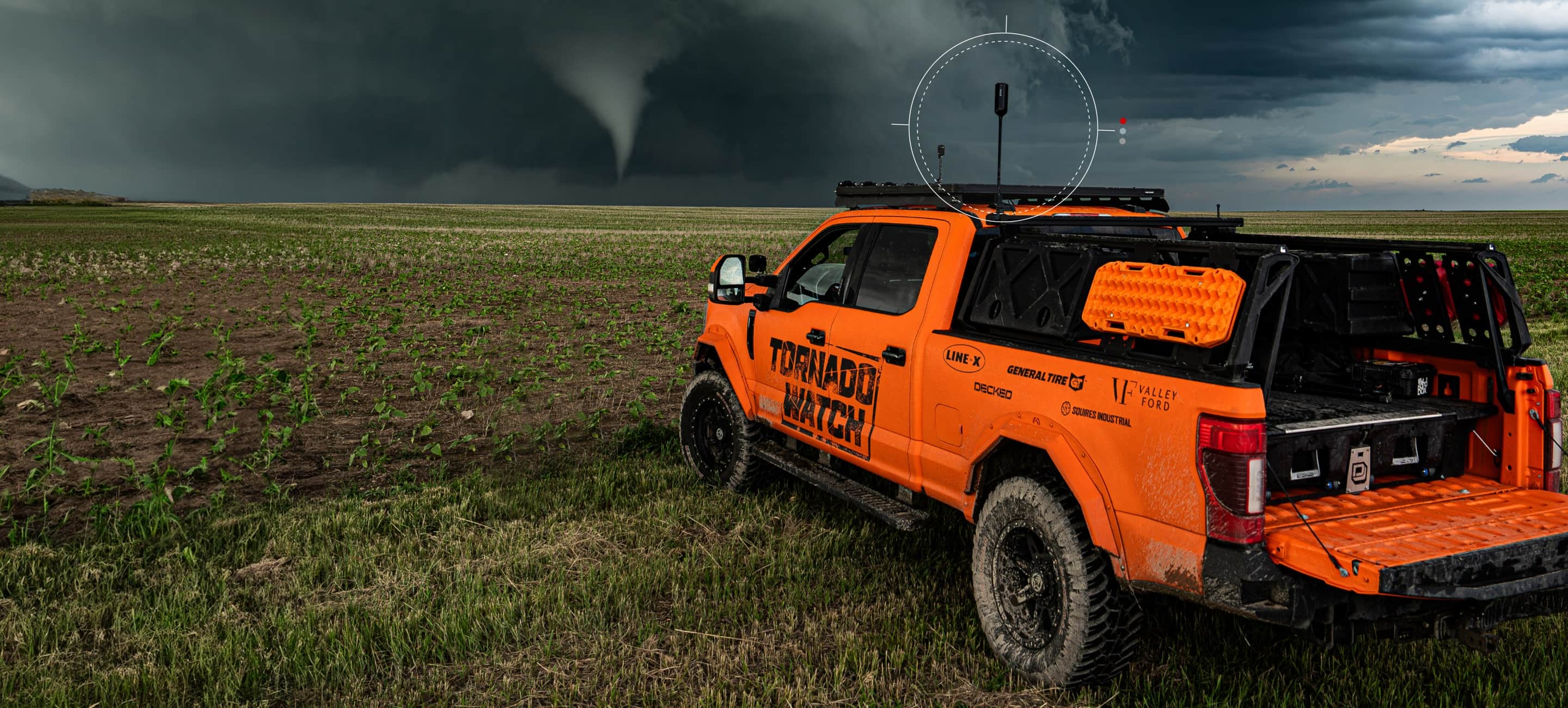
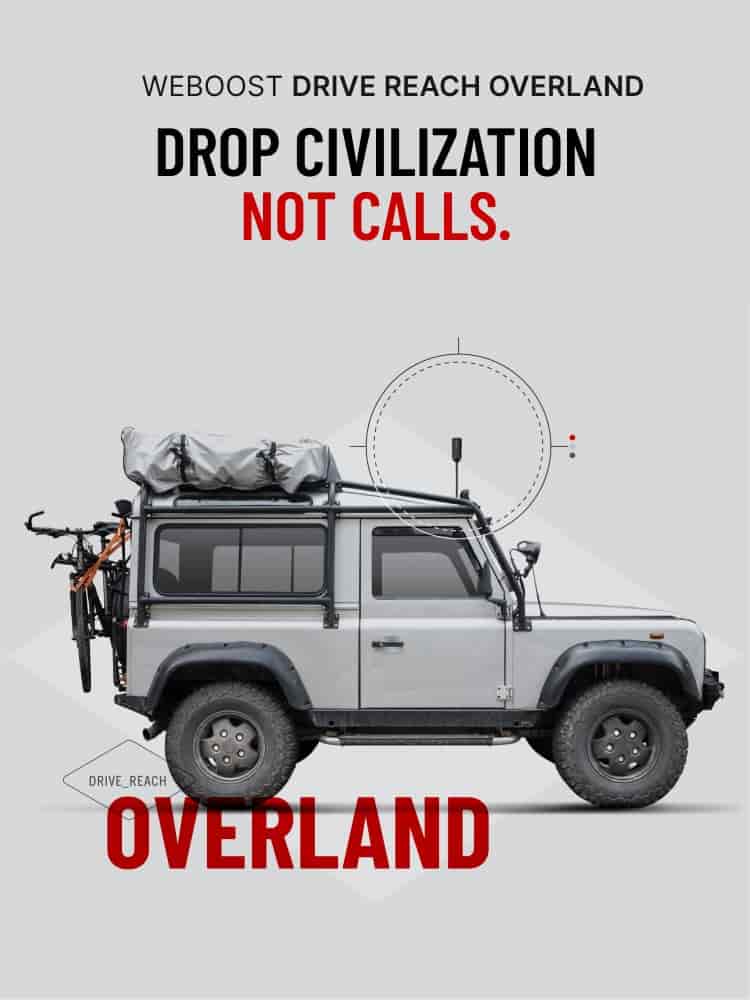
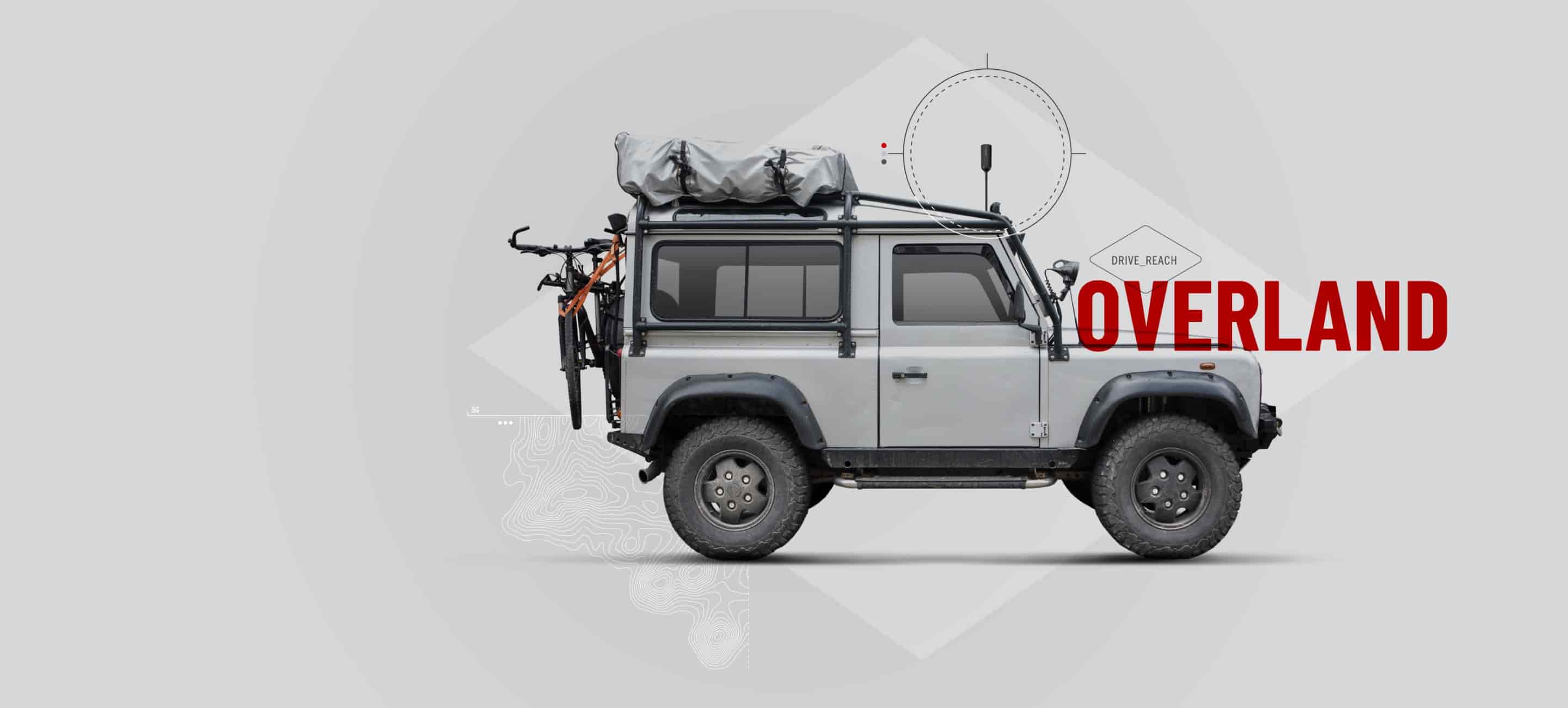
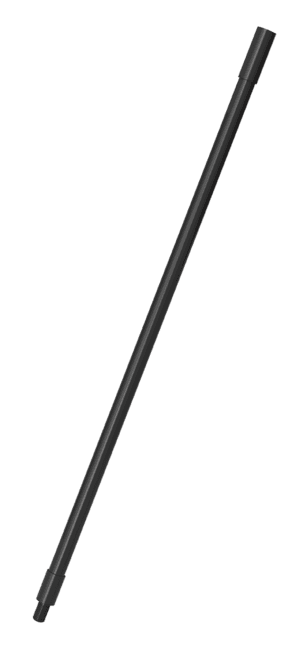
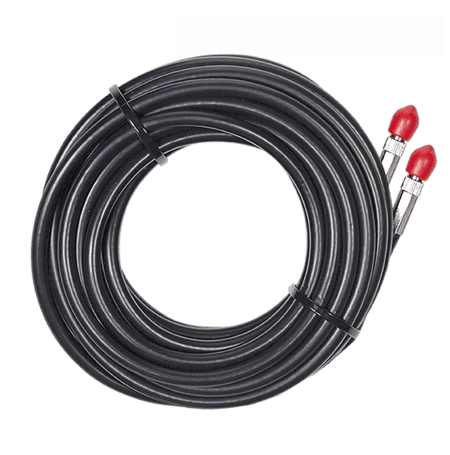
The Drive Reach Overland is a three-part cellular signal amplifier system for cars, trucks, SUVs, and RVs. An outside antenna on your roof rack captures weak cellular signals from nearby cell towers and sends them through a cable to the booster amplifier unit, which strengthens the signal up to 32 times. The boosted signal broadcasts to a small inside antenna near your phone or mobile device. The system also works in reverse, strengthening outgoing signals from your phone back to the tower so you stay connected in remote areas, rural locations, and off-road trails where cell service is weak or spotty.Do I need Starlink satellite internet if I have a weBoost cell phone signal booster?
They serve different purposes and work great together. The Drive Reach Overland strengthens weak cellular signal from nearby cell towers along highways, trails, campsites, and remote areas where you have some cell coverage, with no monthly subscription costs. It's ideal for voice calls, texts, GPS navigation, mobile hotspots, and staying connected on the move, and it works under clouds, trees, and weather conditions because it uses existing cell tower signals. Starlink delivers high-speed satellite internet in complete dead zones where your phone shows "No Service," but it requires a clear view of the sky and a monthly subscription plan. For overlanding and off-road adventures, use the weBoost booster for day-to-day connectivity while driving; deploy Starlink when parked at base camp and you need fast internet beyond cellular range.Does the Drive Reach Overland work with Verizon, AT&T, T-Mobile, and all cell phone carriers?
Yes. The Drive Reach Overland is a multi-carrier signal booster that works with all U.S. carriers including Verizon, AT&T, T-Mobile, Sprint, and US Cellular, plus more than 90 regional carriers. It amplifies 4G LTE and 5G signals for any cell-connected device including iPhones, Android smartphones, tablets, mobile hotspots, and connected devices. The booster works for multiple devices and multiple users simultaneously without requiring pairing, apps, or Bluetooth. Keep in mind that your results may vary depending on how many cell towers your carrier has in your region, as areas with stronger carrier coverage will see better performance.How much does a vehicle signal booster improve cell reception in weak signal areas?
In areas with weak but existing cell signal, the Drive Reach Overland significantly improves connectivity. Most users see one to three bars of improvement, but bars are just an estimate and don't tell the whole story. For accurate measurements, use the free weBoost app to check your signal strength in decibels, which gives you precise before-and-after readings (you don't need our device to use the app). Customers report being able to send texts, load GPS maps, make calls, and use mobile hotspots in locations where they previously had no service or dropped calls. Real-world testing by overland and off-road users shows download speeds improved several times over without the booster. The system works best in fringe coverage areas, rural locations, mountains, deserts, and remote camping spots where you have faint or unstable signal. If you're in a complete dead zone with zero signal from any tower, the booster cannot create a connection, but it dramatically extends the range where you can maintain usable service.How do I install and mount the outside antenna on my overland vehicle or truck?
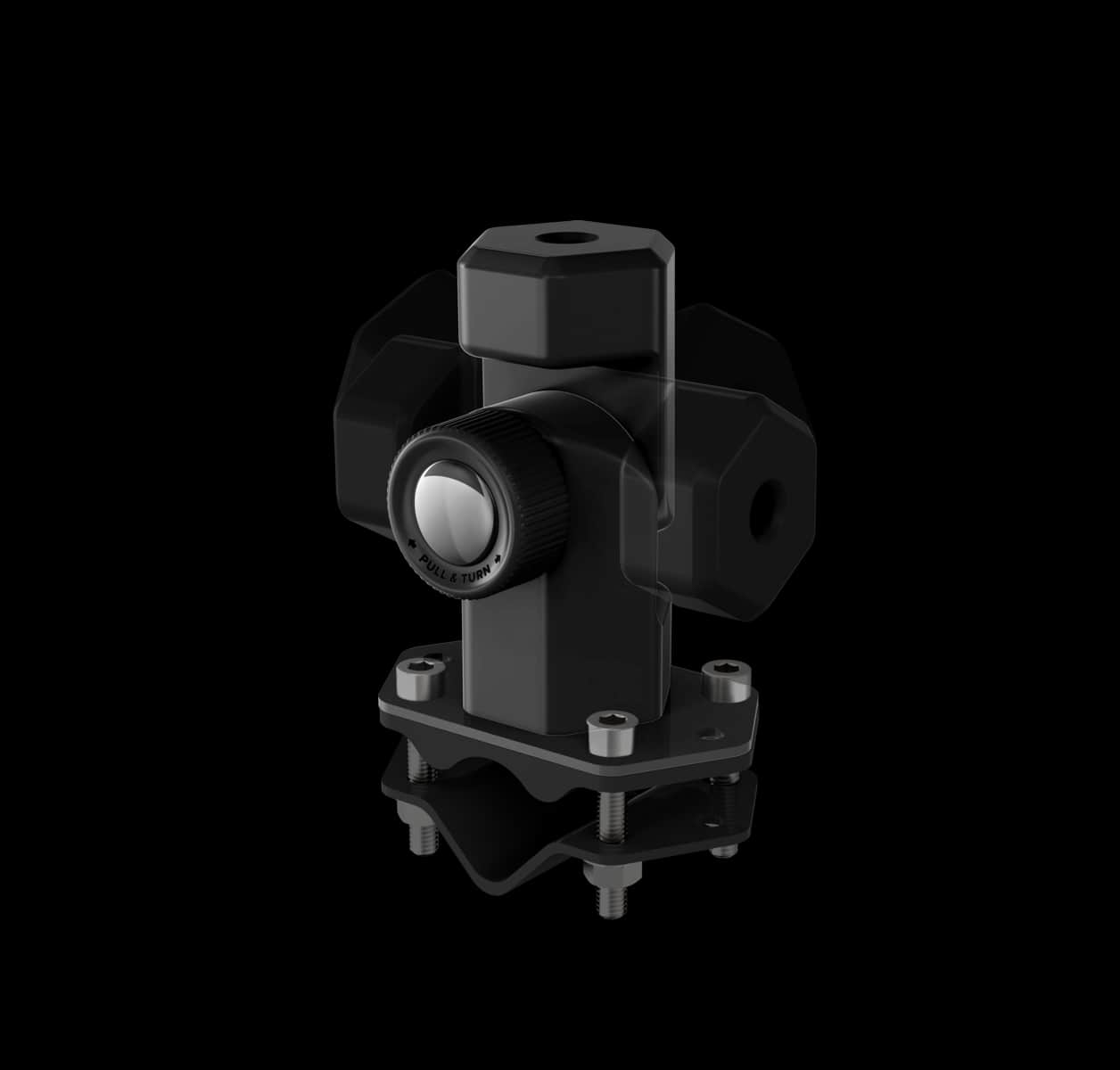
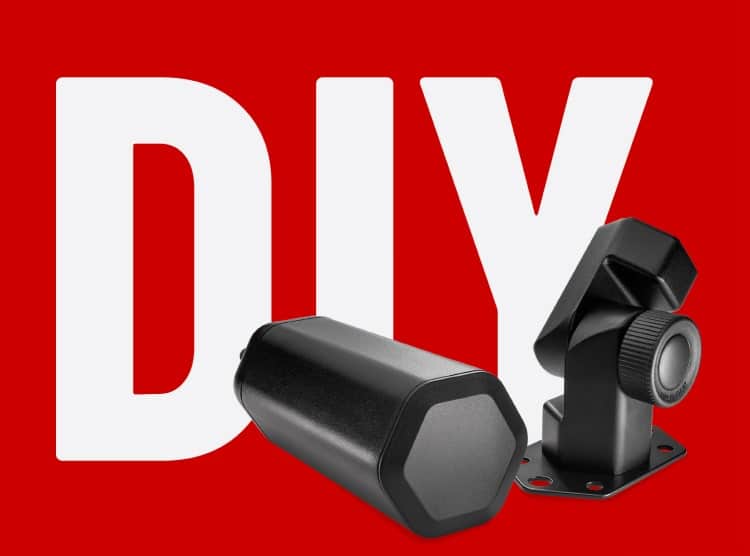
The Drive Reach Overland includes a versatile folding antenna mounting bracket with three installation options that require no drilling or custom fabrication. For roof racks with T-slot tracks (like Front Runner, Rhino-Rack, or Prinsu), slide the bracket into the track using included hardware. For round roof rails, ladders, or roll bars, use the adjustable pole-mount clamps that fit 1.0 to 1.25 inch diameter tubes with non-slip rubber pads. You can also bolt the bracket directly onto flat surfaces like roof platforms, cargo racks, or toolboxes. Installation typically takes 30 to 45 minutes, and the free weBoost mobile app provides step-by-step videos, antenna positioning guides, and troubleshooting tips.Can I fold down the antenna for garage clearance and low-hanging obstacles?
Yes. The outside antenna sits on a hinged folding mounting bracket that rotates 180 degrees in either direction so you can quickly fold it flat before entering your garage, going through a car wash, entering underground parking, or navigating trails with low-hanging branches. An included stabilizer arm locks the antenna securely whether it's upright or folded down, preventing wobble on rough roads, washboard terrain, and off-road conditions. Simply flip the antenna back to the upright position when you're ready to use the booster, as it only functions when the antenna is vertical.Where should I place my cell phone for the best signal boost inside my vehicle?
For maximum signal improvement, keep your phone within 12 to 24 inches of the inside antenna. Most users get optimal results by placing the inside antenna directly next to their phone mount, dashboard cradle, or center console. The closer your phone sits to the inside antenna, the stronger the boosted signal your device receives. In areas with very weak outside signal, you may need your phone within just a few inches for a solid connection. Mount the inside antenna wherever you normally keep your phone while driving.What do the indicator lights mean on my weBoost signal booster?
A solid green light means your signal booster is working correctly at full power. A solid red light or blinking red followed by green indicates the inside and outside antennas are too close together and picking up each other's signal, a condition called feedback or oscillation, causing the booster to automatically reduce power. To fix this, unplug the booster, increase the distance between antennas, then reconnect power. If the light returns to solid green, your installation is optimized. In most vehicles, placing the outside antenna on the roof and the inside antenna near the dashboard or under a seat provides adequate separation.Is the overland antenna weatherproof and durable for off-road conditions?
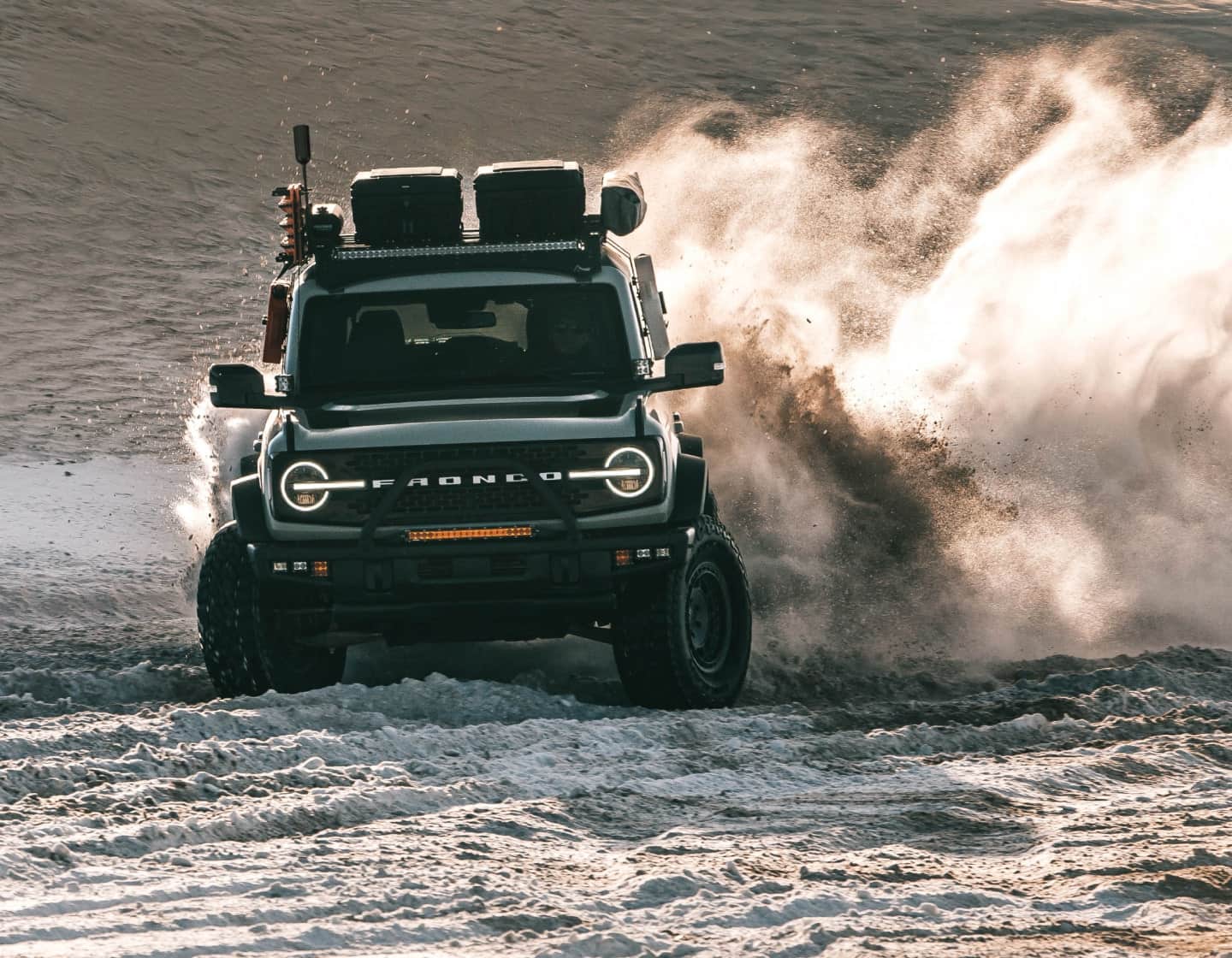
The Overland antenna is engineered for harsh off-road, backcountry, and extreme weather conditions with MIL-STD-810H military durability standards and an IP66 weather resistance rating. It's tested to withstand heavy rain, hail, snow, dust, mud, sand, high winds, extreme temperatures, and constant vibration from rough terrain, washboard roads, and rock crawling. The antenna base includes a spring that flexes to absorb impacts from trail obstacles and low-hanging branches, and the mounting system locks down securely. Multiple overland travelers and off-road enthusiasts report the antenna holds up extremely well over extended backcountry trips and multi-day adventures in demanding conditions.